The Ultimate Africa Travel List: 10 Top Destinations in Southern and East Africa
Ten places across East and Southern Africa that actually work for a first solo trip & your Africa travel: Namibia's deserts, Kenya's beaches, Zanzibar, Cape Town wine. Where to stay across three budgets, how to get there, what it costs, and how worth-it it really is.

If you only read one paragraph, this is a guide to ten places across southern and East Africa that work well for a first solo trip: Namibia's deserts, Kenya's beaches, Zanzibar's old town and beaches, Cape Town's wine, and a few quieter spots in between. Every entry tells you where to stay across three budgets (luxury, mid-range, and a hostel or campsite); how to get there; roughly what it costs; and how worth-it it is out of 10.
Pressed for time? For an easy, gentle first trip, head to Diani Beach or Cape Town. For the kind of scenery that makes you forget your phone, go to Sossusvlei and Spitzkoppe. Want wildlife and a proper safari? Start in Arusha. Each section stands on its own, so jump around.
Experience Africa travel: 10 destinations for solo travel
There's a lot of "best of Africa" content out there, and most of it blurs together. So this list is built differently. Instead of trying to cover a whole continent, it picks ten specific places and tells you the practical stuff you actually need before you book.
I travelled all of these alone: Namibia first, met a female travel buddy there, then south, then east. So the notes come from real stays, real meals, and at least one memorable sunburn. If you're sitting on your bed with a half-packed bag, wondering whether solo Africa travel is a good idea: it is. Here's where to go.
The fear is normal. Going anyway is the whole point.
New to all this? The Solo Travel pillar covers the confidence and safety side. This page is the where-to-go side. Both belong in the same trip plan.
1. Sossusvlei, Namibia
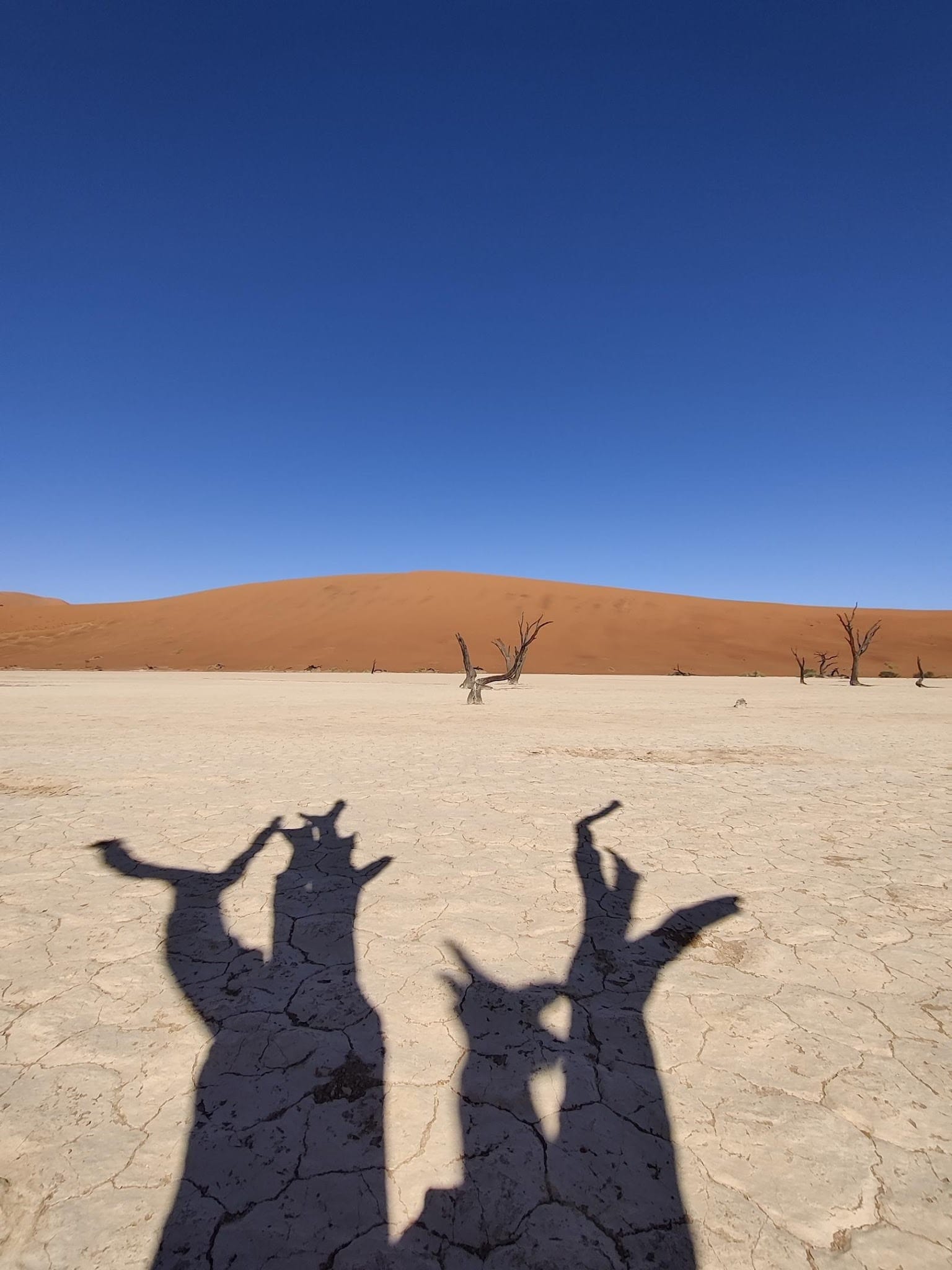
Red dunes that run to the horizon, and in the middle of them, Dead Vlei: a cracked white clay pan studded with 900-year-old camel thorn trees that died and never rotted because it's too dry for them to decompose. Black trees, white clay, orange dunes behind. It doesn't look like real life.
Big Daddy and Big Mama are the two giant climbable dunes. They are worth it if you're fit and want the challenge. (I wasn't fit and contemplated all my life choices hiking up there, and had serious talks with God as well, haha. But I made it, and it was worth the struggle. Go at sunrise, not mid-morning. (I went up around 10am, and it was already brutal.)
Where to stay:
Be honest with yourself about the luxury options near Sesriem, which is the only close town nearby the entry gates to Namib Naukluft Park. There are a few 4- and 5-star lodges charging $500-plus a night, and the reviews mention broken ACs and rude staff, so unless that money genuinely doesn't sting, look elsewhere.
Camping is the better call: sites are from around $60/night with a rooftop tent (you have to rent that separately in either Windhoek or Swakopmund), washing facilities, and a braai area. Because the park gates open shortly before sunrise and you'll want to be there for it, plan 1–2 nights at a Sesriem campsite. Want a roof and a bed instead? Desert Camp or Sossus Oasis sits just outside the gate and splits the difference on costs.
Prepare for the heat. Sunscreen, a hat, a wet scarf, mosquito spray, and proper boots—armored bush crickets carpet the area from mid-December through May, and you don't want them on bare feet.
How to get there. Join a tour group, find a travel buddy, and rent a 4x4 for a self-drive (this is the best way to do it). Plenty of women drive Namibia alone: I met a Swiss woman based in Zambia doing exactly that in her own 4x4. Namibia rewards the people who just go.
Worth: 10/10
2. Diani Beach, Kenya
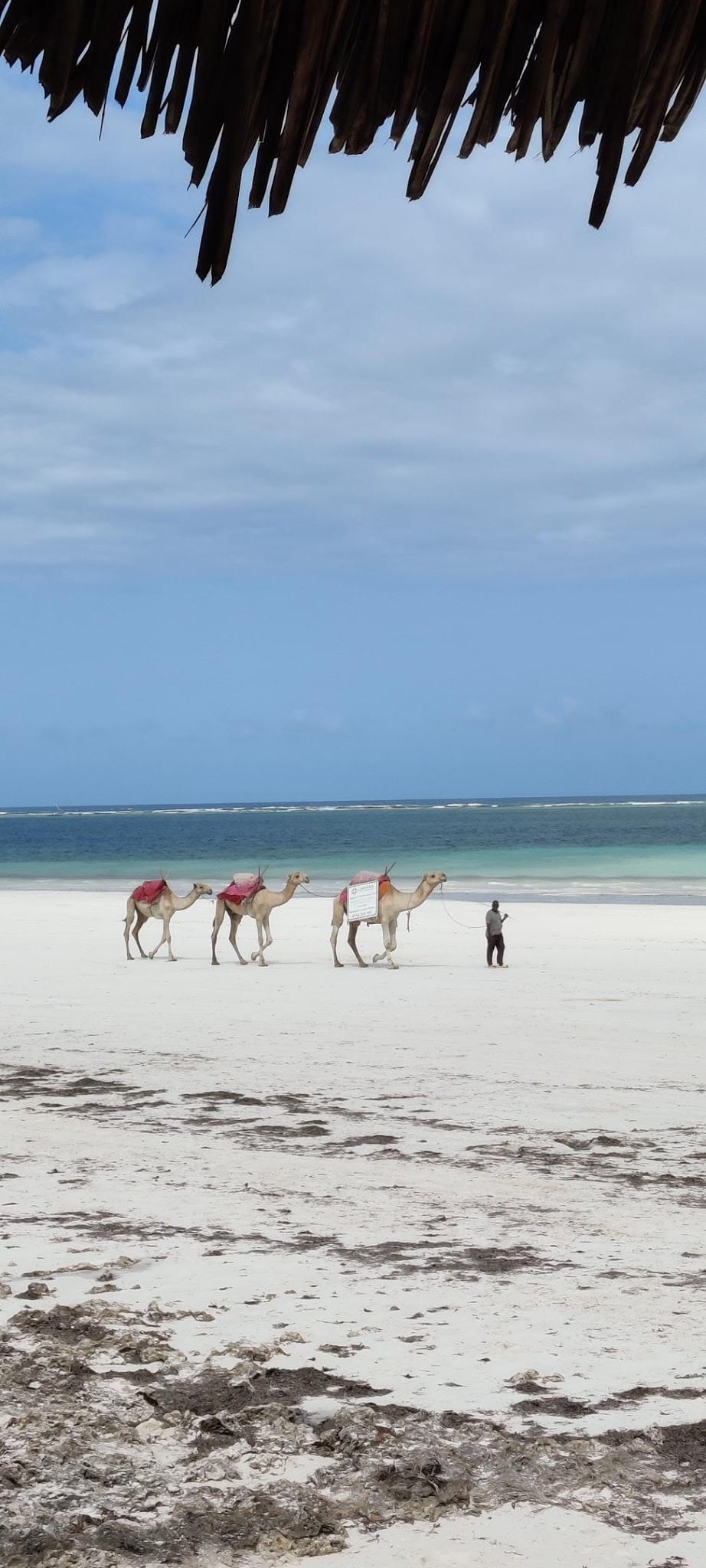
White sand, kilometers of it; calm water; and a mood that lands somewhere between beach holiday and remote-work base. This is a gentle, social first stop in Kenya if the idea of solo travel still makes you nervous.
At low tide, walk the long stretch toward Tiwi Beach and you'll reach the old reefs. Book a guide online for the reef walk, or do what plenty of travellers do: walk the beach and ask locals for "Roots," a Rastafari guide who knows every rock pool and charges about half the tour price. There's a natural Africa-shaped pool in the reef at Tiwi worth the whole walk. Eat the seafood. Spend time doing nothing.
Where to stay:
Luxury: The Villa Luxury Suites Hotel — 650m from the beach, top-notch service.
Mid-range: Chameleon House 2, Diani — a self-catering apartment with a nice balcony and pool. Or browse Airbnbs; Diani is full of them.
Hostel: Stay Social Diani - backpackers and social hub, easy to meet people.
How to get there. Fly from Nairobi to Ukunda Airstrip (quickest), or take the Likoni ferry from Mombasa across to the Kwale side and carry on down to Diani. I've crossed that ferry on foot and once in a tuk-tuk/Bajaj—both fine. Around Diani itself, stick to tuktuks, Uber, Bolt, and the occasional bike if you only travel with a small backpack.
Worth: 8/10
Money note for the coast: carry some cash for tuktuks, markets, and tips, but keep it out of sight. An Alpha Keeper money belt is RFID-blocking, sits flat under your clothes, and holds your passport and cash. Pickpockets work crowded markets and bus stations everywhere in the world; a hidden belt means you're not flashing a wallet.
3. Zanzibar, Tanzania
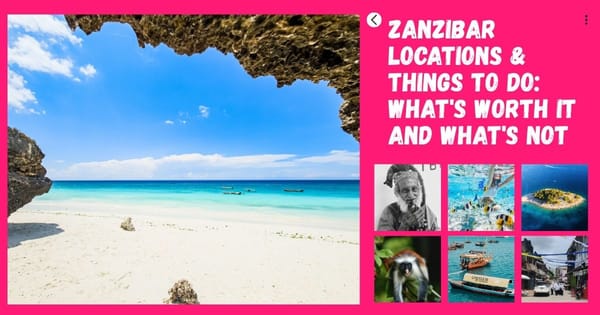
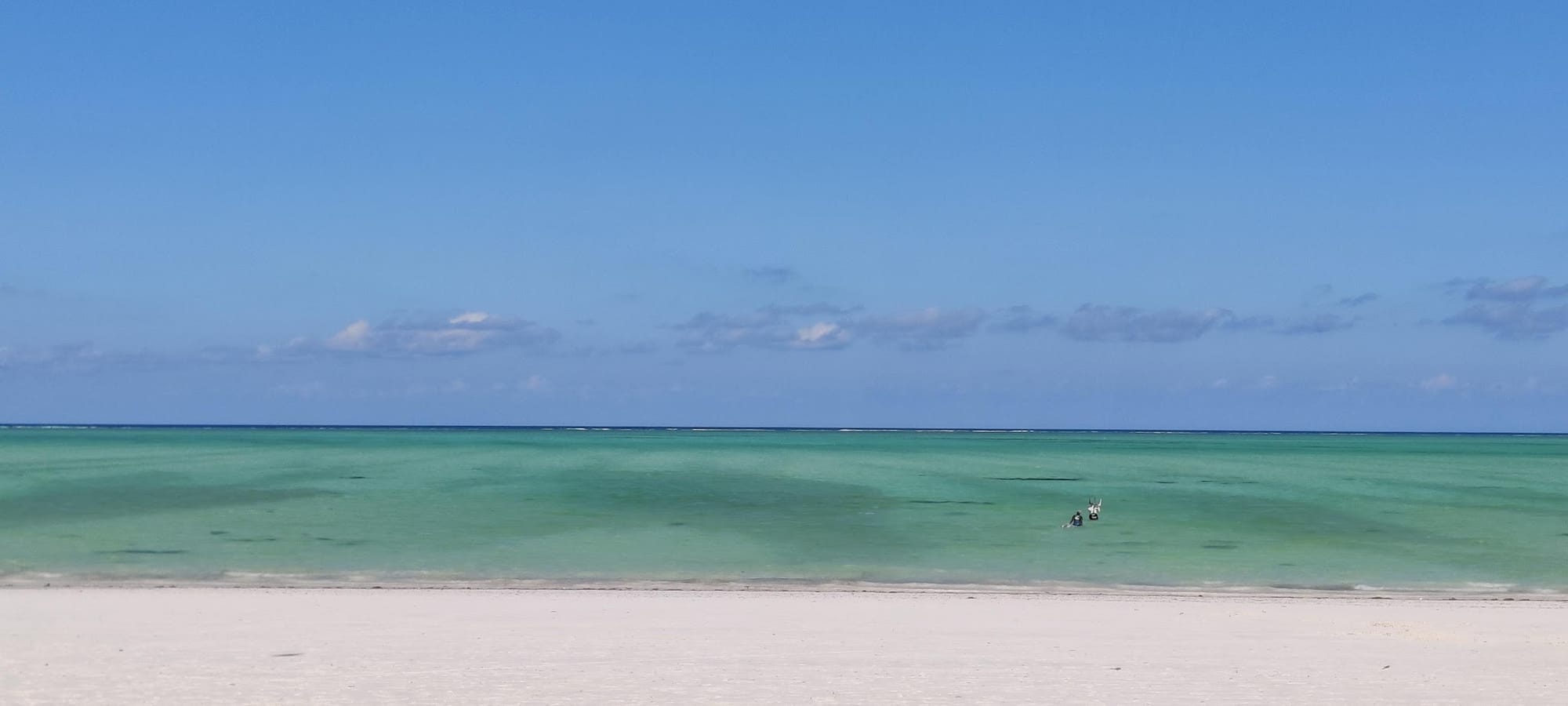
Stone Town is a maze, and that's the best thing about it: carved doors, spice stalls, and the call to prayer bouncing off coral-stone walls. 1.5 hours further north in Nungwi or southeast in Paje, Bwejuu, and Jambiani beaches that look unreal. The food scene alone earns this spot: do a guided market and street food tour, graze your way through Forodhani Gardens at night, and take a spice farm trip. The cuisine here is its own reason to come.
Where to stay. I'd choose Airbnbs over the big touristy hotel bunkers every time.
Luxury: Park Hyatt Zanzibar is right on the Stone Town seafront if you want to do it properly.
Mid-range: an east-coast Airbnb in Nungwi, Paje, or Jambiani. Beach on your doorstep, half the price of the resorts.
Hostel: Makofi Zanzibar in Nungwi: Authentic African vibes, great staff & food, close to Nungwi beach.
Mambo Leo in Paje: laid-back beachfront spot right on the sand, friendly staff, and a relaxed kitesurf crowd, with easy access to Paje's lagoon and good food on site.
How to get there. Take the fast ferry from Dar es Salaam (about 2 hours) or fly in from Nairobi, Dar, or Arusha. Easy either way.
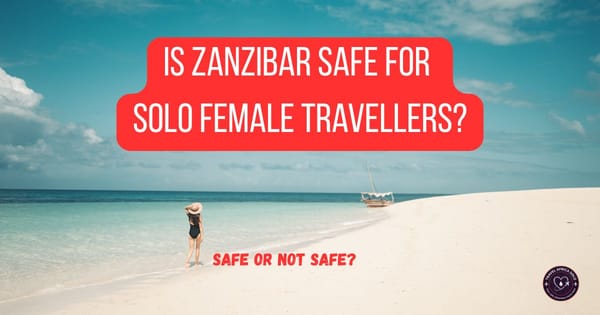
For the full breakdown: ferry tips, which coast suits you, and safety as a woman—see the Zanzibar, Tanzania, Zanzibar deep dive and the Destinations hub.
Worth: 9/10
4. Spitzkoppe, Namibia
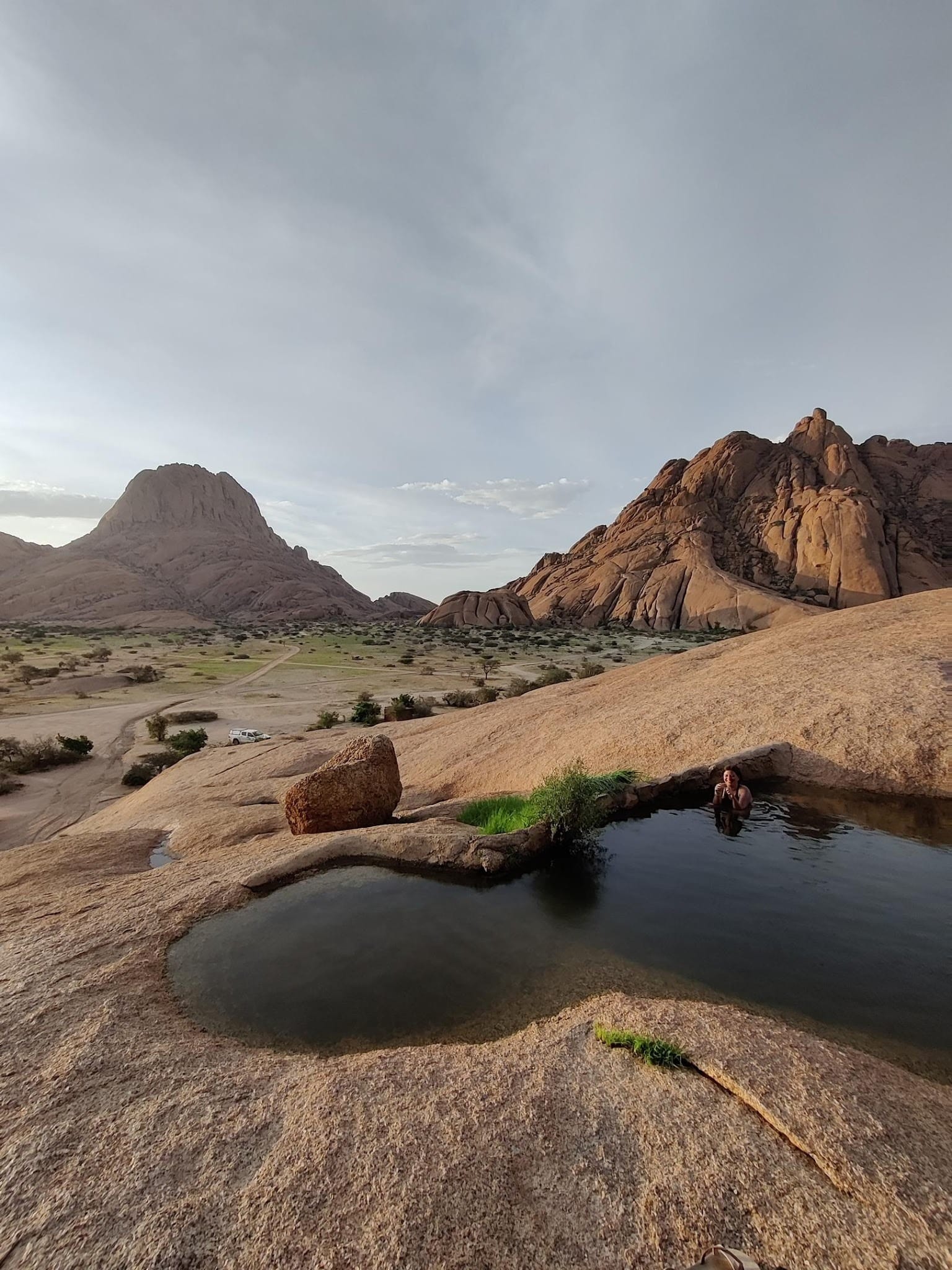
They call it the Matterhorn of Namibia, and for once the nickname earns it: a 700-million-year-old granite peak rising straight out of flat desert, glowing gold at sunrise and sunset. The night sky here is one of the darkest on Earth: the Milky Way is bright enough to cast a shadow.
There are ancient San rock paintings, a natural rock arch you'll recognize from every postcard, hikes up the Pontok peaks, and more birds and small wildlife than you'd expect somewhere this dry. You'll want a guide for the rock art and the climbs; arrange it at reception when you arrive.
Where to stay.
Luxury: Spitzkoppen Lodge: 15 glass-fronted chalets tucked between the boulders, private decks, and a pool.
Mid-range/glamping: the permanent tented camp option at the community site—more comfort than a tent, less than a chalet.
Camping: Spitzkoppe Rest Camp: over 50 rustic sites spread far apart for privacy, braai areas, hot showers at reception, around N$200 per person. Arrive early; it's first-come, first-served, and the spots near the arch go fast.
How to get there. It sits between Windhoek (≈280km) and Swakopmund (≈160km) on a self-drive route. The access roads are rough gravel — you need a 4x4. No car? Day and overnight tours run from Swakopmund and Windhoek.
Worth: 10/10, REALLY MY ABSOLUTE FAVORITE AND SO WORTH IT!
5. Lüderitz, Namibia
This one is strange in the best way: a windswept German colonial town on the wild Atlantic coast, with Art Nouveau buildings and painted houses clinging to the rocks while the Namibian desert presses in from behind. It feels like a slice of Bavaria dropped onto the moon.
The headline act is Kolmanskop, a ghost town 15 minutes inland where a 1900s diamond boom built mansions, a hospital, and a ballroom. Then the diamonds ran out and the desert moved back in. Sand now pours waist-deep through the doorways. You need a permit (buy at the gate, N$180 standard or N$400 for the photography pass with the good early light). Beyond that: wild desert horses near Aus, a boat to Halifax Island for African penguins, fresh oysters and crayfish, and walks along the peninsula.
Where to stay.
Luxury: Lüderitz Nest Hotel — a four-star hotel right on the seafront, with balconies over the water, a restaurant doing the day's catch.
Mid-range: Kairos Cottage B&B—bright rooms, sea views, an excellent breakfast, and quietly placed by the water.
Camping: Shark Island Campsite on the peninsula — bay views, very windy (this is the windiest town in Namibia; embrace it).
How to get there. One road in, one road out. Drive 125 km across high desert from Aus. It's remote, so fuel up and stock up. The best months are the drier May to October.
Worth: 7/10
6. Cape Town, South Africa
Here's the thing about Cape Town wine... nobody warns you how good it is. The cool-climate bottles out of Stellenbosch and Franschhoek hold their own against far pricier European ones. Cape Town stacks mountains, ocean, and culture on top of each other, and it might be the easiest big-city entry point in all of South Africa for a solo woman. (Some even call it Africa lite).
Table Mountain by cable car or on foot; the painted streets of Bo-Kaap; the Winelands an hour out; the Atlantic-cold beaches at Camps Bay; and a peninsula day trip to Boulders for the penguins. The food and wine alone are reason enough to keep coming back.
Where to stay.
Luxury: The Silo Hotel in the V&A Waterfront. A converted grain silo with a rooftop pool and ridiculous views. A splurge with a capital S.
Mid-range: a guesthouse or apartment in Sea Point or De Waterkant. Walkable and near the promenade.
Hostel: Never@Home or 91 Loop in the City Bowl: social, central, good for finding a wine-tasting buddy.
How to get there. Fly into Cape Town International—direct from most of the world. Get around with Uber and Bolt; they're cheap, relatively safe, and you can get them almost everywhere.
For the proper wine breakdown, see the Food & Wine pillar.
Worth: 10/10
7. Cederberg, South Africa
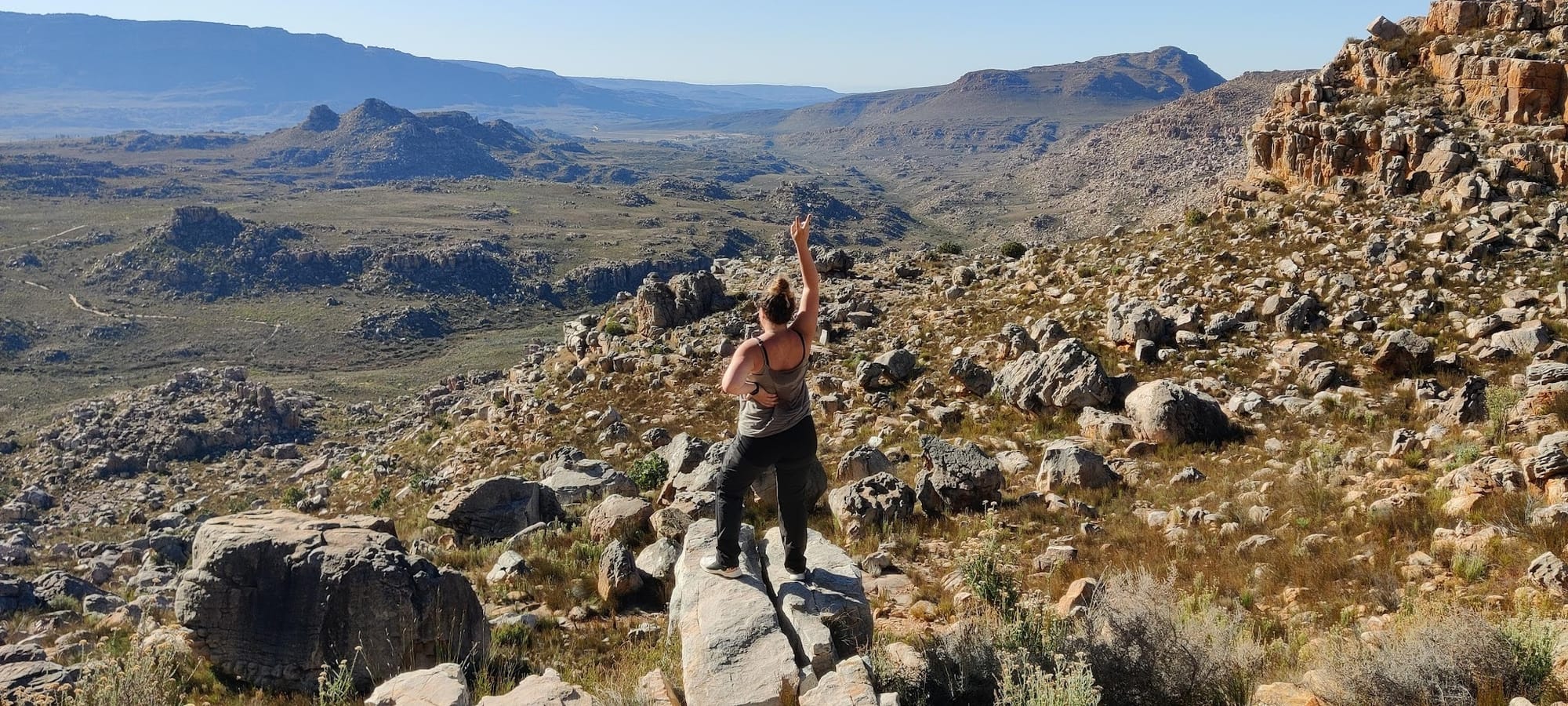
About three hours north of Cape Town and a completely different planet: jagged orange sandstone, fields of rooibos tea (this is the only place on Earth it grows), some of the richest San rock art on the continent, natural rock pools, and lush forests giving way to big open fynbos plains. The night skies rival anywhere else.
Hike to the Wolfberg Arch or the Maltese Cross, swim in mountain pools, tour a rooibos farm, taste cool-climate wine at the highest-altitude vineyards in the Cape, and learn about the rock art with a guide. It's the kind of low-friction nature trip that's good for your actual heart.
Where to stay:
Luxury: Bushmans Kloof—a five-star wilderness reserve and wellness retreat with ancient rock art on the property and rare nocturnal wildlife.
Mid-range: Cederberg Ridge Wilderness Lodge — a modern African farmhouse with 11 rooms, a pool, and mountain views.
Camping / glamping: AfriCamps at de Pakhuys or the Kromrivier / Algeria CapeNature campsites—pitch a tent or book a chalet among the boulders.
How to get there. Self-drive from Cape Town, roughly 300km up the N7. A normal car reaches most lodges; some gravel sections reward higher clearance. Don't hike the long routes in summer; it is too hot. Spring (August) brings the wildflowers.
Worth: 10/10
8. Lushoto, Tanzania
After the heat and dust of lowland Tanzania, Lushoto is a deep breath. A misty highland town at 1,200m in the Usambara Mountains, with pine and eucalyptus, banana plants, cool evenings that call for a sweater, and woodsmoke and chapati in the air. Almost nobody on the northern safari circuit stops here, which is exactly the appeal.
Hike to Irente Viewpoint, where the land drops away to the Maasai plains far below. Walk to the waterfalls, visit the Magamba rainforest, tour the Montessori sisters' mission for homemade cheese and jam, and browse the market. The Friends of Usambara cultural tourism program runs guided hikes where the money funds local communities such as schools, wells, and reforestation. It's a way to connect with local communities that doesn't feel extractive.
Where to stay:
Luxury: Mullers Mountain Lodge—a country retreat in the hills, the area's classic upscale stay.
Mid-range: Lawns Hotel: comfortable, great views, and German-colonial charm. Some of their rooms even have their own firepit, & the amazing staff will light it for you.
Hostel / camp: St. Eugene's Hostel (mission-run, clean, hot water bottles at night) or Irente Biodiversity Reserve's campsite on the organic farm.
How to get there. Lushoto is up a winding road from Mombo, on the Arusha–Dar es Salaam highway, with daily coaches from Dar, Arusha, Moshi, and Tanga. Around town and to the trailheads, hire a taxi from the bus terminal. Worth the few extra dollars for the comfort and the timing. Or rent a car in Arusha/Dar.
Worth: 10/10
9. Arusha, Tanzania
Arusha is the front door to the big stuff. Kind of the launchpad for the Serengeti, the Ngorongoro Crater, Lake Manyara, Tarangire, and a hop from the Masai Mara circuit over the border. If Tanzania safaris and the Great Migration are on your list, you'll pass through. But it's worth a day in its own right.
On the edge of town, Arusha National Park is a gorgeous, underrated safari: giraffes, zebras, buffalo, hippos, colobus monkeys, the Ngurudoto Crater (a little Ngorongoro), and walking safaris with an armed ranger. In town: the Maasai Market, the Cultural Heritage Centre, the clock tower, coffee-farm tours, and Shanga, a social enterprise employing people with disabilities to make glass and jewelry.
This is your base before the wildebeest migration, the hot air balloon rides, and the lion and elephants out on the plains. Some travelers push north for mountain gorillas in Rwanda or Uganda or build in the Serengeti for the great migration proper.
Where to stay:
Luxury: Legendary Lodge — 12 farmhouse-style cottages on a century-old coffee estate. Or Gran Melia for a full five-star.
Mid-range: Rivertrees Country Inn or Ahadi Lodge—leafy, peaceful, and well-placed for safari starts.
Hostel: Wakawaka Hostel or The White House—central, social, around $10–24 a night, where you'll meet your safari group and other solo travelers.
How to get there. Fly into Kilimanjaro International Airport (45 min away) or Arusha Airport for regional hops. Most lodges arrange airport transfers—take them. Around town, taxis and Bolt. If coming from Nairobi, take one of the many coaches that go to Arusha via the Namanga border.
Be aware: Prepare USD in cash for your Tanzania visa beforehand; do not rely on credit card payment. The Tanzanian immigration at the Namanga border was not only incredibly rude for no reason; their credit card terminal did not work either. The currency exchange in the border station did not have USD either. They first didn't accept me to pay in Tanzanian shillings. The bus company dropped us (luckily I was with my husband) at the border and continued the trip to Arusha without us (and without compensation). In the worst case, take a taxi from Namanga to Arusha or call your accommodation for help/advice and see if someone can pick you up.
Worth: 6/10
10. Nairobi, Kenya
Most people treat Nairobi as a layover and absolutely shouldn't. It doesn't do Nairobi justice at all. It's a fast, green, genuinely fun city that rewards a couple of days and even staying longer as a solo traveler. (It's also where I met my husband, so take the enthusiasm with a pinch of salt.)
Two stops you shouldn't skip: the Sheldrick Wildlife Trust elephant orphanage (open 11am–12pm, where rescued baby elephants charge in for milk bottles) and the Giraffe Centre next door, where you hand-feed endangered Rothschild giraffes from a raised deck.
Nairobi even has its own National Park in the city. It is the only big-game park in the world inside a capital city, where you can photograph rhino against a skyline.
Where to stay:
Luxury: Giraffe Manor! Yes, the one where giraffes poke their heads through the breakfast window. Iconic, expensive, unforgettable.
Mid-range: an Airbnb or apartment in Karen, Gigiri, or Kilimani (closer to the city center): the first 2 are noble quarters, quiet and rather posh. Kilimani offers city bustle and amazing food options, is close to the CDB, and has a great nightlife. If you are in for some wine & fun: Go to the stand-up comedy night at 2 Grapes: great wines, great company if you want to mingle, and funny stand-up comedians.
Hostel: Manyatta Backpackers or a similar social spot: budget beds and easy company.
How to get there. Fly into Jomo Kenyatta International. In the city, Uber and Bolt are cheap and reliable, and you skip the traffic roulette.
Worth: 10/10
So, where do you actually go for your East & Southern Africa travel?
Never done this and want easy and beautiful? Diani or Cape Town. Want your jaw on the floor? Sossusvlei and Spitzkoppe. Want a Southern Africa road trip romance? String Namibia together as a self-drive. Want East Africa's wild heart and a real African safari? Arusha, out to the Serengeti or the Masai Mara, then finish on a Zanzibar beach.
You don't need to do all ten. Pick one, book it, and let the rest follow. The adventure is the part after the booking.
Read the Solo Travel pillar next; grab the free Solo Africa Confidence Kit when signing up for the Travel Africa Solo newsletter, and let's get you on a plane. Ready?
A few honest safety notes for your Africa travel
Please always ask for permission before photographing local people. It's basic respect and the difference between a real moment and a stolen one. Don't drive at night in rural areas, where the risks (animals, no lighting, bad roads) are severe. Watch your bag in crowded markets and bus stations where pickpockets work. Don't walk alone at night in unfamiliar areas — get an Uber or Bolt, same as you would at home. In more conservative areas, covering shoulders and knees respects local custom and draws less attention.
And keep your cash in a hidden money belt rather than a back pocket. None of this is unique to Africa—it's just travel sense.
FAQ: Your most common questions
These are the most common questions I get asked — the ones people google at 2am before they book.
Is it safe to travel to Africa right now?
Short answer: yes—but "Africa" is 54 countries, not one place, so the honest answer is "it depends on which part." The destinations in this guide—Kenya, Tanzania, Zanzibar, South Africa, and Namibia—are well-trodden, tourism-ready, and doable solo. Check your government's current travel advisory for your specific country and region before you book, because situations shift. Use the street smarts you'd use in any big city, and you'll be fine.
What is the safest country in Africa to travel to?
For solo female travelers specifically, Namibia is near the top—low population, easy self-drive, calm, and stunning. Rwanda is famously clean, safe, and orderly (and your gateway to mountain gorillas). Botswana and the Okavango Delta are secure and spectacular, if pricier. South Africa is incredible but asks for a bit more city awareness. "Safest" also depends on how you travel — a Namibia self-drive feels very different from a night out in a big city. Pick the style that matches your comfort level.
What is the best country in Africa to visit?
Depends what you're chasing. First-timers who want wildlife plus beach: Kenya (the Masai Mara, then the coast) or Tanzania (the Serengeti, then Zanzibar). For a raw landscape and a road trip: Namibia. For food, wine, and an easy city: South Africa. For the Great Migration and a hot air balloon over the plains: Tanzania or Kenya between June and October. For something most people miss—Victoria Falls on the Zambia/Zimbabwe border or the Okavango Delta in Botswana. The best country is really the one you'll actually book.
How much will a trip to Africa cost?
Wildly variable, so here are real numbers. Budget backpacking (hostels, local food, public transport): roughly $20–40 a day. Mid-range (nice guesthouses, the odd tour, taxis): $60–100 a day. Then safari costs sit on top, and they're the big swing—luxury safari lodges can run over $1,000 per night, and you'll visit parks where the entry fees alone are $30–100 daily. Small-group safaris and local-guided experiences cost a fraction of that and often give you a richer day. The best time to discover East Africa value-wise is the shoulder season, like August or December before the holidays, when lodge rates ease off. Plan the journey around what you actually want to witness—a trip of a lifetime doesn't need a budget of one.
Got a destination I missed, or a question before you book? That's what the comments and the newsletter are for.
Now go open that flights tab. — Love, Dunia
Travel Africa Solo—your honest blog for solo Africa travel across East Africa and the southern half of the continent.
More travel guides and destinations in the menu.