
The Side of Africa Nobody Talks About
Wine estates, street food, local cuisine — from Cape Town vineyards to Zanzibar night markets
Most travel blogs about Africa focus on safaris, sunsets, and safety tips. Almost none of them mention the food. And absolutely nobody talks about the wine. That's a problem — because the food and wine scene across East and Southern Africa is one of the most underrated in the world, and discovering it solo is one of the most rewarding parts of the trip.
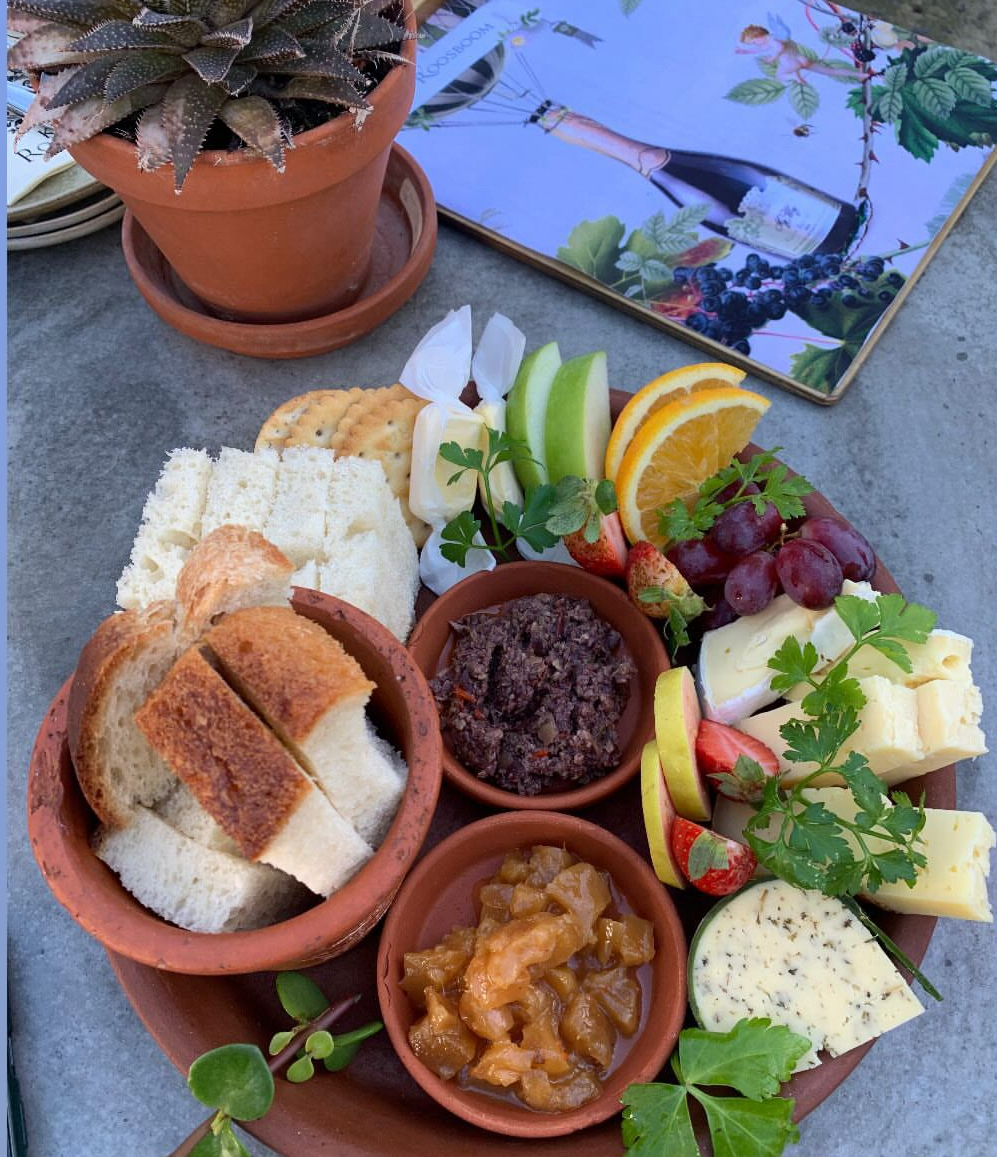
South Africa alone has over 200 wine estates within an hour of Cape Town. Stellenbosch, Franschhoek, Constantia, Cederberg — these aren't small-town wineries struggling for attention. They produce world-class bottles that compete with anything from France, Italy, or California, at a fraction of the price. A tasting at a Cape Winelands estate with vineyard views and a cheese platter costs less than a single glass of average wine in most European cities.
And then there's the food. Zanzibar's street food scene at Forodhani Gardens in Stone Town is one of the most exciting food experiences on the continent — Zanzibar pizza, grilled mishkaki, spiced urojo, sugarcane juice, all for a few dollars. Nairobi's restaurant scene is growing fast. Kenyan nyama choma, chapati, and pilau have the kind of depth and flavour that puts most tourist-oriented food to shame. Even smaller places surprise — a roadside ugali in Tanzania, a braai in Namibia, fresh seafood on Diani Beach.
This page covers all of it. Where to eat, what to drink, and why African food and wine deserve a spot on every solo traveller's itinerary.
Recent Posts
Most Common Questions About Food & Wine in Africa
Honestly? It's almost suspiciously cheap. A standard tasting of four or five wines at most Stellenbosch or Constantia estates costs the equivalent of a few dollars — and at many places that fee is waived if you buy a bottle (which, at these prices, you will). Add a cheese and charcuterie board for a little more and you've got lunch with a vineyard view for less than a sandwich back home. The wine is genuinely world-class. I kept waiting for the catch and it never came.
I was nervous about this too, and it turned out to be a non-issue. Tasting rooms are relaxed, the people pouring are happy to talk you through everything, and nobody blinks at a solo traveller at the counter. If you don't want to drive, book onto a hop-on wine tour for the day — you'll meet other travellers, you won't have to worry about driving between estates, and it takes all the logistics off your plate. Some of my best Winelands conversations happened sitting alone at a tasting bar.
The Forodhani night market in Stone Town was one of the highlights of my whole trip, and I ate there every single night without a problem. The trick is the same as anywhere: go where it's busy, eat what's cooked fresh in front of you, and skip anything that's been sitting out. Zanzibar pizza, grilled mishkaki, urojo soup, fresh sugarcane juice — all of it for a few dollars. Trust the stalls with the longest local queues and you'll be fine.
For a casual tasting, usually not — most estates take walk-ins and you can happily turn up and see where the day goes. But for the bigger names, weekend visits, or anything that includes a sit-down lunch or a cellar tour, book ahead. In peak season (December to March) the popular Stellenbosch and Franschhoek estates fill up fast. My approach was to book one anchor tasting per day and leave the rest loose.
Markets, almost every time. The best food I ate in Africa was rarely in a restaurant — it was a plate of nyama choma from a roadside grill in Nairobi, ugali at a tiny place in Tanzania, fresh seafood on Diani Beach, mishkaki off a Zanzibar street cart. Restaurants have their place, especially in Cape Town where the dining scene is genuinely excellent. But if you want to understand a place through its food, follow the locals to wherever the smoke and the queues are.
The best food in Africa isn't in a restaurant. It's wherever a local is cooking something that smells incredible.
Get the Solo Africa Starter Kit
Weekly solo travel guides, safety tips, food & wine finds — delivered free. Join 500+ solo travellers.
No spam. Unsubscribe anytime.