I Stayed in Zanzibar for 18 Months as a Solo Traveller: Here's the Honest Safety Answer
“You’re the girl who left Jambiani. Why?” A stranger asked me that 40 mins away, telling no one. My first week in Zanzibar was so terrifying I nearly flew home. I stayed 18 months instead. Beyond generic tips, here’s the raw truth about solo female safety, stalkers, and local tactics.

A man stopped me in a Stone Town street and asked for a lighter. I gave him one. He looked at my face and said: "You're the girl who just left Jambiani. Why did you leave?”
I had left that morning. He was in a different town, forty minutes away. I had told nobody I was going.
I stayed in Zanzibar for the next eighteen months.
It is true that the most frightening moment of my life as a traveler occurred during my first week there, and yet I remained for a year and a half. The honest answer to whether Zanzibar is safe contains that contradiction, and it explains why I'm writing this instead of another list of beach tips.
Because almost everything written about solo female travel in Zanzibar comes either from the tourism industry or from someone who spent two nights in a resort and came home with opinions. I actually lived there. I know what it feels like to sit in the back of a taxi with tears running down your face because a stranger asked your driver where he was taking you—and I also know what it feels like to have a favourite bar, a driver on speed dial and friends who noticed when you didn't turn up.
For a broader overview, I've gathered all my insights about solo travel in Africa on the solo travel page.
Solo Female Safety in Zanzibar: The Bottom Line
Plenty of us travel through Zanzibar solo every year without any horror stories, and overall, it’s a safe destination. I lived there for a year and a half before deciding it was time for a change. Violent crime isn't really on the radar for tourists here. Instead, it's the quiet persistence you have to prepare for: men who push past boundaries, getting marked up at market stalls, and minor theft. Dressing conservatively off the beach completely reshapes how locals interact with you.
Prepare for those things and you will be absolutely fine. But "fine" is carrying a lot of weight in that sentence, so let me show you what it actually looked like from the inside.
Zanzibar travel: The week I felt unsafe and nearly went home
July 2022 was my first time on the island. I flew straight into Zanzibar Airport. Later on I'd usually take the fast ferry over from Dar es Salaam and give myself a night or two in Stone Town first, but that first trip I went directly to the coast.
Jambiani, on the east coast. My hotel sat right on the sand, which sounds like the dream and turned out to be the entire problem, because I couldn't see from my balcony that the beach outside my door became something quite different after dark.
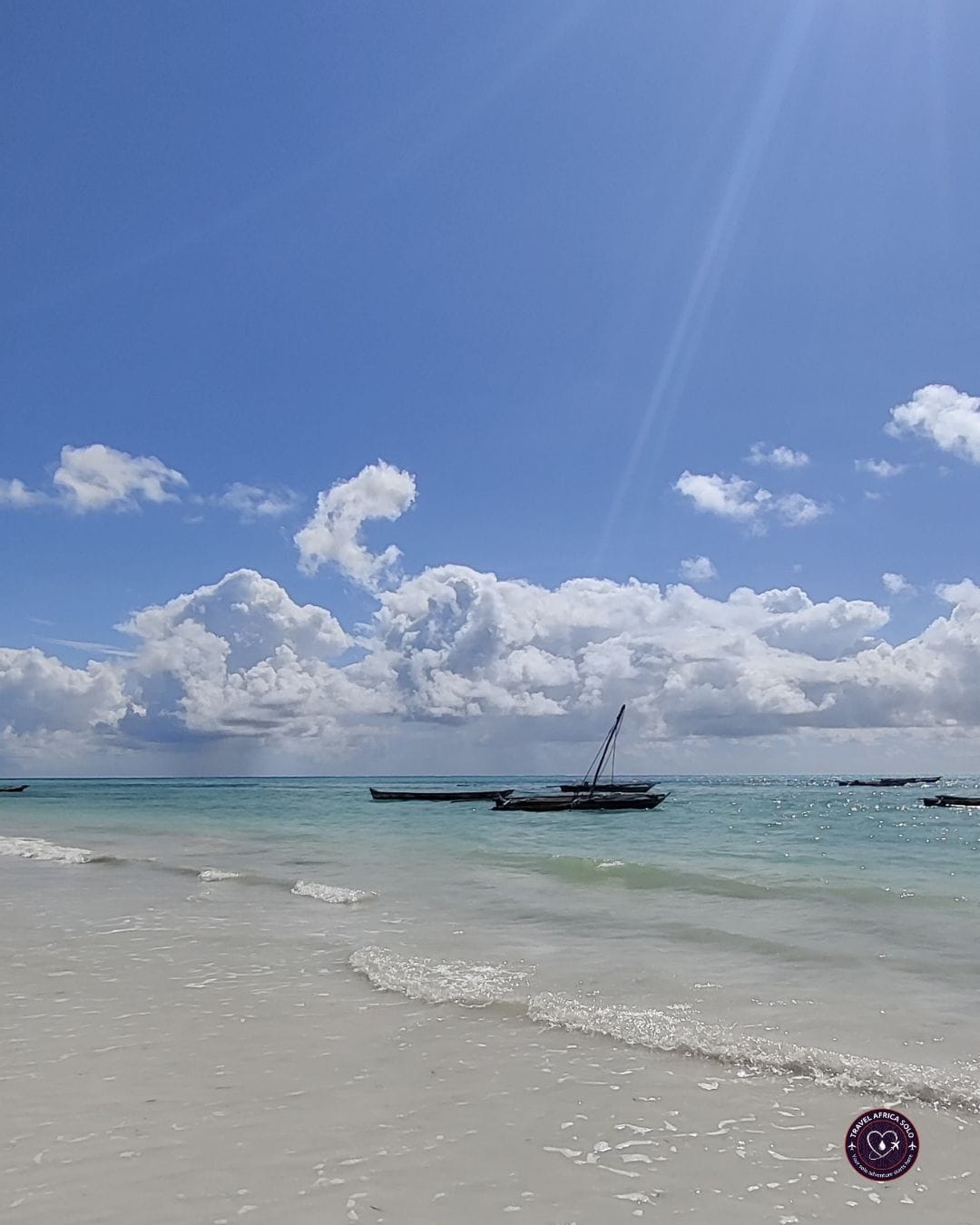
There was a Maasai man outside the hotel's beach restaurant. I noticed him on the first day, the way you notice anyone who's around, without thinking about it much. What I didn't realize was that he was noticing me back and keeping track of my movements, because from that point on, every single time I walked out onto the sand, he appeared. Not once, not by coincidence; three separate times, materializing out of nowhere as though he'd been waiting for the door to open.
I told him no. He kept walking beside me.
I told him I was married (unfortunately, I didn't yet have a fake wedding ring at that time). He kept walking next to me.
I expressed, as clearly as I could, that I wanted to enjoy the beach by myself. He continued to walk next to me. So I sat down on the sand to make the point, and he sat down as well, and when I eventually gave up and went back to the hotel, he walked me back to the hotel.
Which is a fairly bleak way to spend a beach holiday. Sitting inside, looking at the sea from the "safe" space in your beach restaurant, because a stranger has quietly decided that your schedule is now his schedule.
And then it got worse. I was followed after dark along the sand near my own accommodation, and I started to feel watched during the day in a way I couldn't reason myself out of. More than one person, tracking where I went. So I cancelled the rest of my booking and left. It even got so bad that I contacted friends & family and told them about it. On top of that, I stayed in my room until I left.
In the taxi back to Stone Town, a man approached the driver’s window and asked him where he was driving me. My Swahili was still bad at that stage but decent enough to understand it, and I began to cry in the back seat.
And then came the lighter guy.
You're the girl who just left Jambiani.
I want to be careful here, because written down like that, it reads like the opening of a true crime podcast, and I'm not trying to sell you a thriller. Nothing happened to me. Nobody laid a hand on me. In eighteen months on that island, that one week was by a very wide margin the worst of it, and nothing like it ever happened again.
But I'd be lying to you if I tidied it up. My cousin had a flight booked to arrive three days later, and if she hadn't, I would have left Zanzibar and continued travelling to any other country in Eastern & Southern Africa. That's the honest version of it.
She came, we moved north to Nungwi together, and I stayed for over a year.
Travelling solo isn't always easy, and sometimes the whole lesson is simply this: not all people have good intentions, and you are allowed to leave.
Zanzibar as the perfect destination: What that week taught me
Three things, really, and they're the reason the following seventeen months went so differently.
Where you stay matters more than anything else you decide. Not the country, not the season, not what you pack. It's the town and whether there are other tourists around you. Jambiani was too quiet and too spread out for a single person arriving alone with no contacts on the island. Nungwi wasn't, and the difference was night and day.
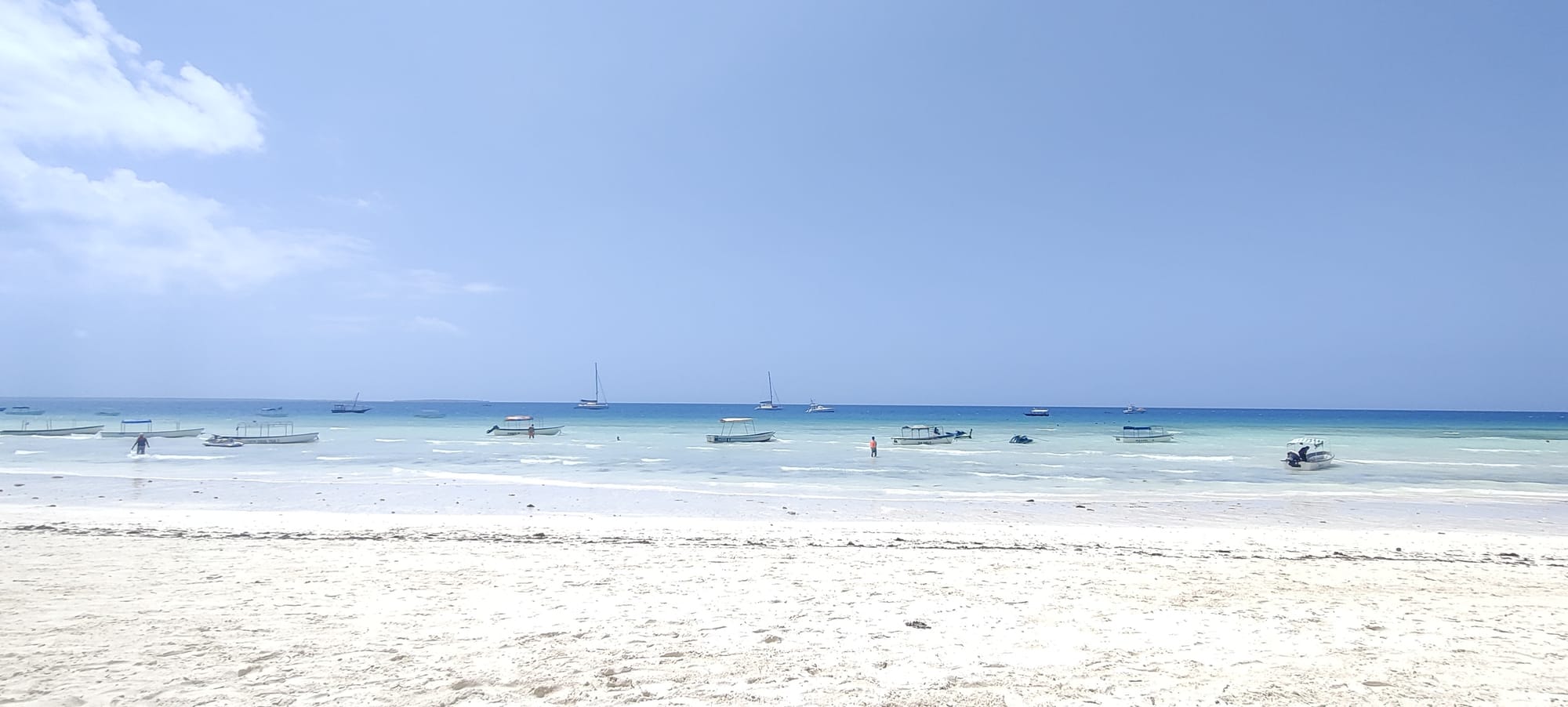
Being connected to people is a safety system in itself. Once I had friends in Nungwi (real ones, plus the beach boys I dealt with regularly, plus a boda-boda & taxi driver whose number lived in my phone), the entire texture of the place shifted. I stopped being an unattached foreign woman and became someone who was known, and that turned out to be worth more than any packing list I could have written for you.
Leaving is a completely legitimate move. I cancelled a paid booking and ate the expense, and that is the best money I ever squandered. Trust your gut if it’s telling you anything is a red flag. You can always rebook somewhere else.
Zanzibar gives you unwanted attention, which most guides flatten into one line
Nearly every other Zanzibar guide gives you "persistent beach vendors" and moves swiftly on, and I think that undersells it quite badly tbh.
I've watched people snap on those beaches: men and women, European, African, American, and even Asian tourists who had politely said no five or six times over the course of several minutes and finally just started shouting. I've been that person myself. It isn't a character flaw, it's simply what happens when no isn't accepted as an answer.
The vast majority of the guys that do this, they don’t hear “no” as “no.” They hear it as an opening bid, and they’re reading you the whole time. If you smile when you say no, if you sound remorseful, if you sound like someone who might be talked round, they’ve clocked it and they will keep going.
Here's the texture of it.
Beach sellers and beach boys. On the busier stretches you'll be approached again and again about excursions, sunglasses, and jewelry. A flat but friendly "Hapana, asante" while you carry on walking works considerably better than a smile and a maybe.
Conversations that drift. A perfectly normal chat slides into asking whether you're married, whether you have a boyfriend, whether you might like a Zanzibari or Maasai one. Saying you're married ends it much faster than the truth does, and I promise you that isn't a betrayal of your principles — it's simply a tool.
I bought a cheap wedding ring after this experience, and it worked far more often than it had any right to. Quite often I didn't even need to say anything and could just show my hand. Best five dollars of the entire trip.
Knowing when to walk away. If someone follows you, if a group starts to gather around you, if you are being gently herded somewhere calmer, walk into the nearby hotel, shop or restaurant. Then you owe no one politeness, and I can promise you the man behind you isn't thinking about being disrespectful.
On the other hand: Some of the best bargains I had made were by buying snorkeling and other tours from a beach boy in Nungwi. He also answered all of my questions regarding how things work on the island: How do I take a dala dala? How much will it cost? What is the cost of a fresh mango at the food stall? He was my go-to contact there and literally helped me with basically everything that needed assistance or a known local. He even haggled with the beach fruit seller, and I got it for the local price.
Where to Book Your Accommodation on a Solo Zanzibar Trip
I’m going to be blunt, not diplomatic about it, since this is the one option that impacts the vacation most.
I would send someone on their first solo journey to Nungwi, and that’s where I ended up spending nearly a year. It's on the north shore, it's social, the food and bar scene is quite good and easy to meet people. Makofi was my place for working, eating, and actually talking to other travelers. Do check before you book, though, because I've read that a lot of the beachfront has been sold off to the big hotels since I was there, and I honestly don't know how much of what I loved has survived that.
Paje Beach is the other good option for a first trip. It's small, walkable, full of independent travellers and kitesurfers, and low-key enough that you won't feel like a novelty.
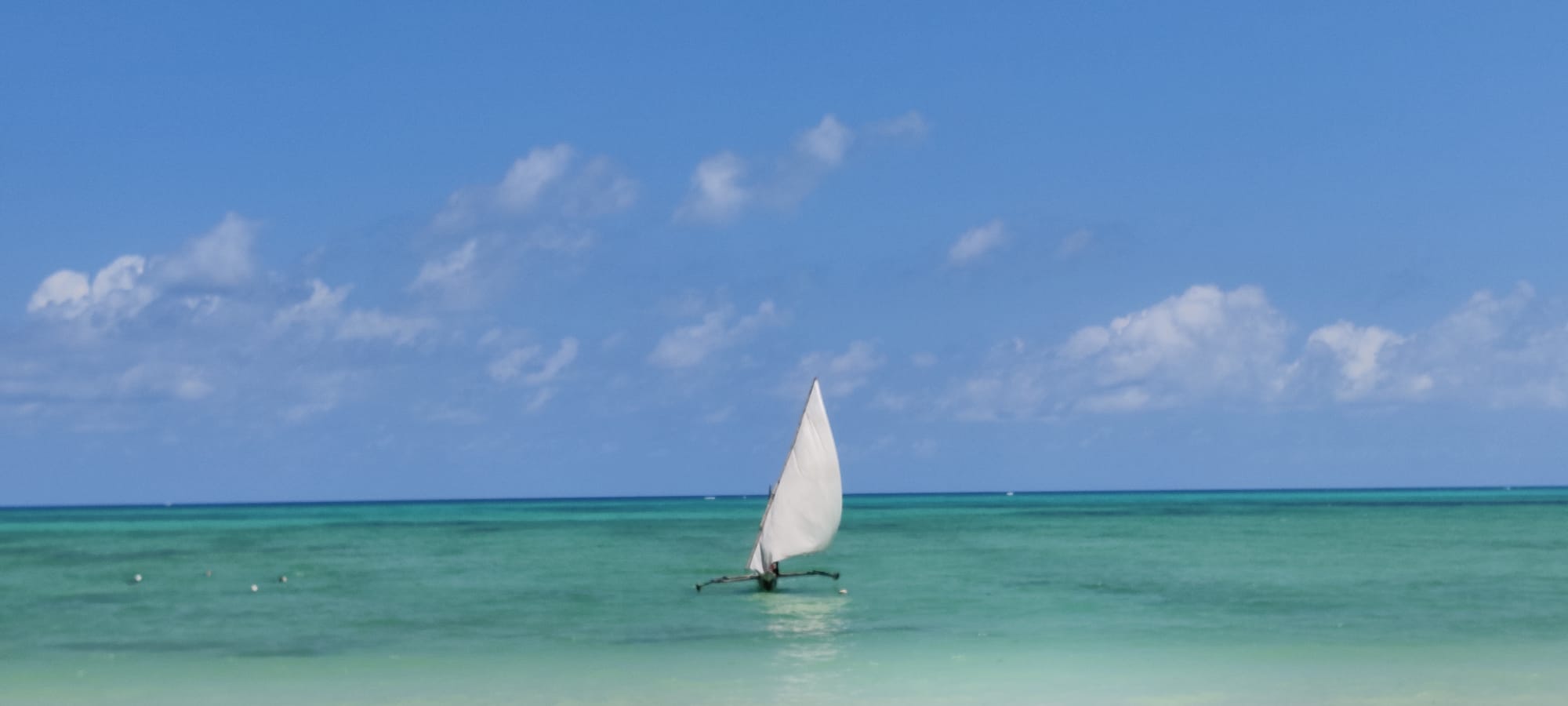
Jambiani I'd steer you away from for a first solo trip, and you already know why. It's beautiful and quiet and very spread out, and if something does go sideways, there isn't a great deal around you. Go with a friend, or go later in your trip once you've found your feet, but please don't land there alone on day one the way I did. I'd recommend it if you plan to stay in a luxury resort with a private beach, though.
Stone Town is worth two nights rather than a base. Go and get deliberately lost in it during daylight hours, and then take a taxi or boda-boda at night, every time.
Whatever you choose, read the reviews properly before you book and specifically look for accommodation with good reviews from women traveling alone, because other guests will tell you things a listing photo never will.
Navigating Transport in Zanzibar as a Solo Traveler
On Zanzibar there is no Uber or Bolt and so you can’t order a tracked priced trip the way you can in Nairobi or Cape Town and that changes the whole calculation. The most useful habit on the island is a simple one: find a driver you trust and keep his number.
You have a few options, roughly in the order I'd recommend them to a woman travelling alone.
A private driver arranged through your hotel is the least exciting and by far the most controlled. Your hotel knows who he is, or at least knows someone who does.
A taxi with the fare agreed before you get in. There are no meters whatsoever and the price is fixed at the kerb and not at the destination. Taxi drivers will always try and price you the tourist rate first, so check with your accommodation or a local what a given travel should cost before you start negotiating. That one question saves you both money and arguments and usually gets you a better price.
Ask a beach boy, which is the tip almost nobody writes down. Beach Boys are extremely well connected, and they want the middleman's cut, which means they'll find you a reliable driver quickly. In Nungwi I booked nearly every taxi this way, through men I dealt with regularly and had come to know. If you'd like the actual phone numbers of my contacts, message me on Instagram — I'd rather not publish them here.
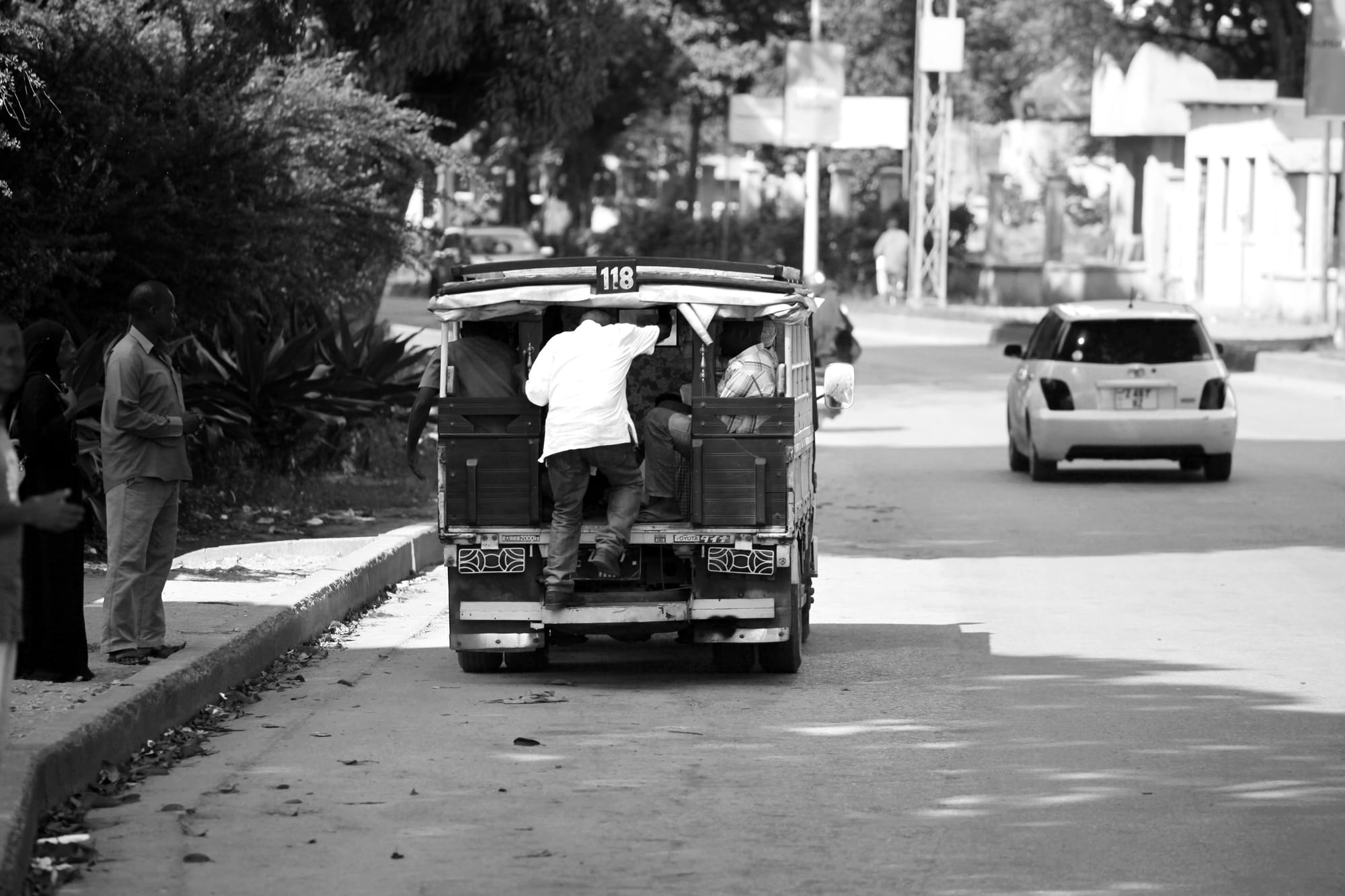
Dala-dalas, the local buses, are cheap and crowded and slow and genuinely how the island moves around. They're fine in daylight if you're comfortable being the only tourist on board. Ask for the price list when you get on, because they're legally required to have one, and without it you'll be quoted the mzungu price, which tends to be three to five times what everyone around you is paying.
Renting a scooter or a car requires a special Zanzibari permit, and between the road surfaces, the livestock, the rain, and the police stops, it's a bigger decision than it first appears. Expect to be pulled over for a bribe at most checkpoints along the way.
After dark, take a taxi, even for a distance you'd happily walk in daylight, and especially in Stone Town, where the alleys defeat phone maps and the lighting is poor. Avoid walking anywhere that isn't well lit and busy once the sun has gone. This is the one budget line I'd tell you to blow straight past.
What I actually paid for transportation in Zanzibar: the budget breakdown
I did these runs monthly across 2023 and 2024, so these aren't estimates lifted from a forum somewhere:
- Nungwi to Stone Town: USD 25–35 one way
- Stone Town to Paje: USD 30–40 one way
- Paje to Kiwengwa: roughly the same range
- Dala-dala: around USD 2 per person on most routes
Prices will have shifted since then, of course. But that's what a solo female traveller was paying, month after month, across a full year—and if someone quotes you double, at least now you'll know.
One more thing worth doing: there are Facebook groups and, these days, subreddits where people arrange to share taxis. If you know your transfer in advance, post it. Splitting a thirty-five-dollar ride two ways is cheaper and, frankly, much better company.
What to do on your own as a solo female traveler in Zanzibar, and what to skip
A few things I'd actually recommend, plus one I wouldn't.
A Stone Town walking tour is the best two hours you can spend on your first day, and I’d plan it early rather than later. Stone Town is quite safe during the daytime thus a tour guide is not for safety; it is for establishing your bearings, understanding the history and having the courage to go off on your own later. It's also an easy icebreaker to make buddies to share lunch or transportation with.
I’d also recommend hitting up a spice farm day trip. It’s a great way to eat fruits straight off the trees and get a real feel for Zanzibar’s trade history. If you have a few hours to kill near Stone Town, hop on a quick boat over to Changuu Island to check out the giant tortoises. It’s definitely on the commercial side, but it makes for an easy, pleasant half-day excursion.
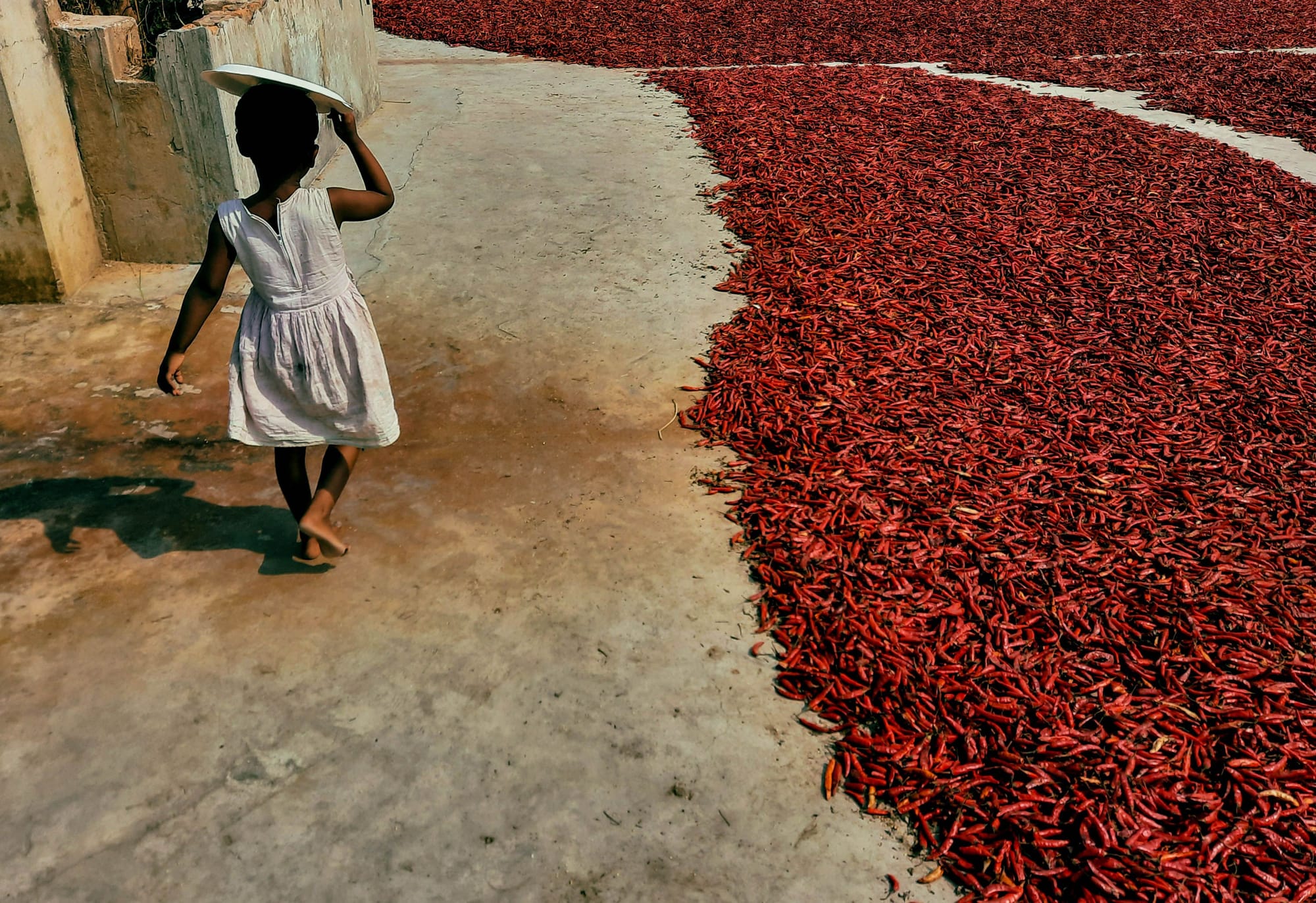
Snorkelling and sea turtles. Mnemba Island is the name everyone repeats for snorkeling, though I'd say a word of caution about the turtle experiences on the island generally—some are conservation projects and some are enclosures where animals are handled all day for photos. Ask what you're actually booking. Reputable providers won't mind the question.
The one thing I'd call a tourist trap: the sunset dhow cruises sold aggressively on the beach at Nungwi and Kendwa. Some are lovely, especially if you plan to include a little bit of a party and some drinks & dancing. Check the available options and let your trusted beach boy recommend you something. Do not pay in advance, only shortly before boarding.
For adventure activities—kitesurfing in Paje, diving, quad tours—the same rule applies throughout: reputable providers, good reviews, agreed price, and telling someone at your accommodation where you're going and when you're due back.
What to wear in Zanzibar
A bikini on the beach and at your resort is completely fine. And everywhere else, Stone Town, the villages, local eateries, and local buses, cover your shoulders and your knees. Zanzibar is roughly 99% Muslim and dressing modestly away from the sand is the single easiest method to both respect local customs and prevent unwanted attention at the same time.
Buy yourself a local dress once you arrive. They cost very little, they're wonderfully airy, they handle the heat better than anything you brought with you, and you'll stop standing out quite so much.
What I'd pack: loose linen or cotton trousers or a long skirt, a t-shirt or top that covers your shoulders, and a large scarf or kanga, which doubles as a shoulder cover, a beach towel, and a head covering for mosques and sun protection all in one. A swimsuit with a cover-up for walking to and from the sand and sandals you can slip off without having to sit down, because you'll be taking them off constantly.
During Ramadan, dress more conservatively still, and avoid eating, drinking, or smoking in public during daylight hours. There were arrests of both foreigners and locals for exactly this in 2024. Inside your hotel or a tourist restaurant you're perfectly fine, and many local places simply close during the day anyway.
Eating out in Zanzibar and evenings on your own
Eating alone as a woman here is entirely unremarkable, and nobody will treat it as strange. And I ate great food on that island, a good lot by myself with a book, for a year and a half. Nobody ever gave me a second look for asking for a table for one. Plus, pretty much everyone working in Zanzibar's tourism scene speaks solid English, so getting food, bargaining, or asking for directions is completely stress-free. Learning a few words of Swahili anyway will impact how you are greeted more than you would anticipate - and it costs you nothing but an evening.
Forodhani night market, Stone Town
The Forodhani night market is the classic solo evening in Stone Town—busy, well lit, full of people, and easy to walk away from whenever you like. It's the best street food on the island and a lovely place to spend an hour on your last night before a flight, when you've already packed and don't want to sit in your room.
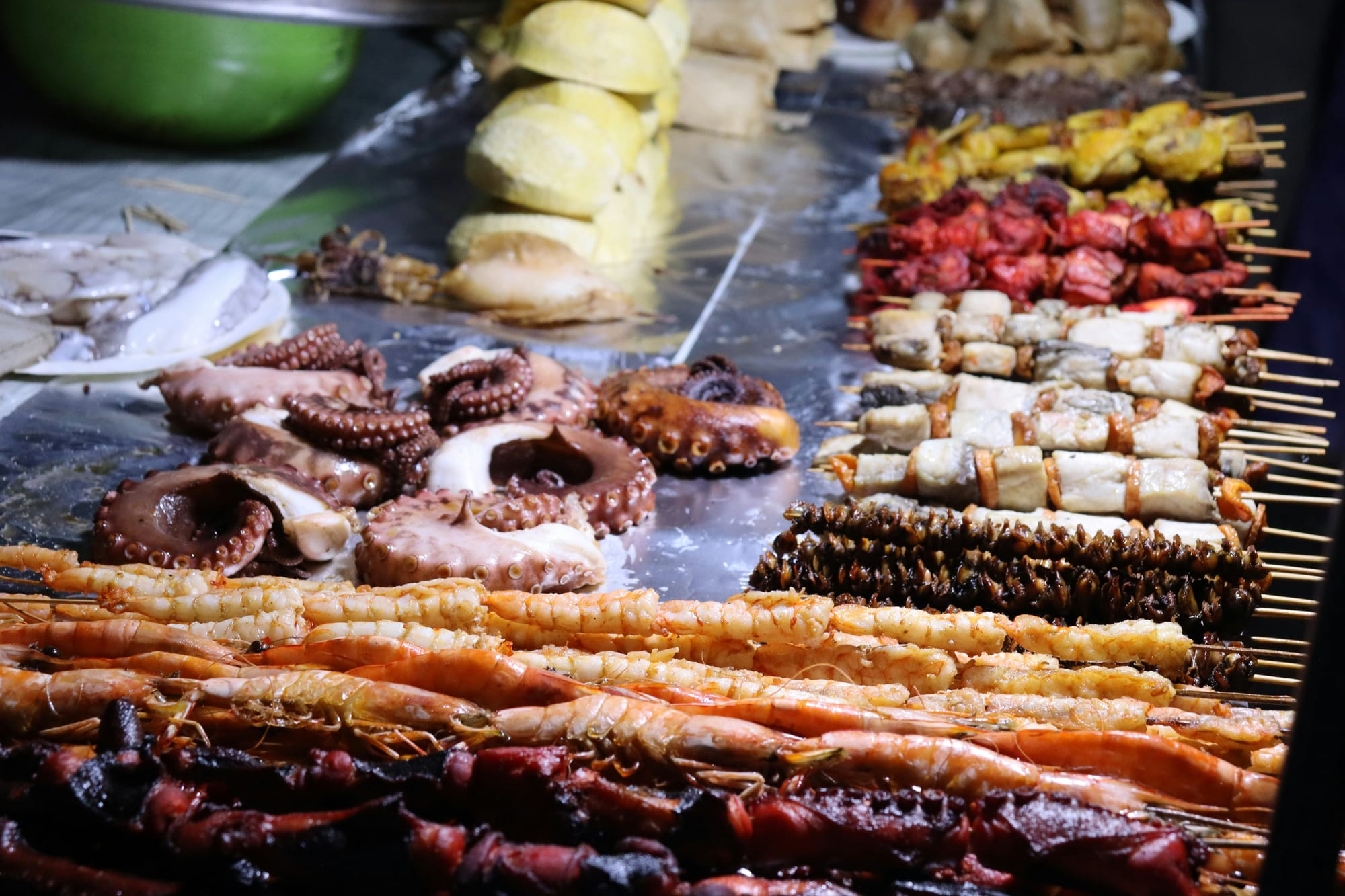
What I'd actually eat there:
Urojo, which everyone calls "Zanzibar mixa." A tangy, mango-and-turmeric soup with potato, bhajia, and crisps thrown in, and it is much better than that description makes it sound. It's absolutely delicious, and locals say the best one of all Zanzibar is found at Forodhani.
Shawarma. There are plenty of sellers, and most of them are good. Be careful with the hot sauce—it is not decorative.
Fresh pressed sugar cane juice, normally with lime and ginger, right in front of you.
And skip the seafood. I know it's the thing Forodhani is famous for, and I know the platters look spectacular under the lights, but foreigners get food poisoning from it often enough that I stopped ordering it entirely. Eat fish somewhere it was landed that morning instead, which brings me to Nungwi.
Where to eat in Nungwi
I stayed here for over a year, so this list is not research. It's where I actually ate.
The fish market local restaurant is my favourite place in all of Nungwi, without much competition. Local food and fish and seafood so fresh it's almost absurd. Nungwi's fish auction and main market are directly next door, and you can watch the boats come in through the morning and into the afternoon. One tip that isn't on the menu: ask your waiter for tartar sauce with your fish and chips. They'll bring it, and you'll love it!
Makofi was my base for working, eating, and actually meeting other travellers. The food is genuinely good, with local dishes alongside a solid range of Western food, and they do barbecues on certain days that are worth planning around; it's the easiest way to taste several Zanzibari dishes in one sitting.
Mr. Nyam Nyam, a street food vendor you'll find on the main road in Nungwi. Zanzibar pizza, homemade burgers, chips, and a very good mixa soup. Cheap, quick, and exactly what you want when you've been in the sea all day.
Anti Muni Restaurant is the answer you'll get if you ask a local where to eat properly. Zanzibari home cooking at a local place, no concessions made for tourists. I went for the maharagi na chapati — beans and chapati — more times than I can count.
The Corner Zanzibar for the evening if you've had enough of rice and want Italian food. Best pizza and pasta on that stretch of coast, lovely staff, a proper wine list, and the pizza is genuinely worth the craving. Amazing staff as well!
Logistics in Zanzibar: Visas, Health Prep, and Mandatory Coverage
Keep in mind that visa policies aren't set in stone, so check official government sources to confirm current rules before finalizing your flight. Regarding entry requirements: Zanzibar is governed by Tanzanian immigration. Most tourists can pick up a regular 90-day visa for $50, whereas US passport holders are locked into a $100 multiple-entry visa even for a quick visit. You might still be able to get a visa upon landing depending on where you're from, but applying online for an e-visa beforehand is strongly recommended to skip line delays. In fact, if you're on a US passport, you can't even get your specific visa at the arrivals desk, so sorting it out online before boarding your flight is non-negotiable.
The mandatory ZIC insurance, which is the one people miss. Since October 2024, every non-resident visitor to Zanzibar has had to buy inbound travel insurance from the Zanzibar Insurance Corporation, and your normal travel insurance does not satisfy this requirement. The UK Foreign Office is explicit that no other international policy will be accepted in its place. You buy it separately through the official portal at inbound.visitzanzibar.go.tz and show the QR code at immigration; it was USD 44 for up to three months when I last looked. It is worth stating outright that this is not a substitute for adequate travel insurance for cancellation, theft or repatriation so you’ll want both.
Malaria. Zanzibar is a malaria risk location and it is the falciparum strain, the serious one, it can turn severe rapidly so not a part to skim.
If you’re going to a developing country, discuss prophylaxis with a travel clinic or your doctor well before you fly, as your options depend on your health, your medication and the length of your stay. My own honest position: I didn't take it, and I spent four years moving through risk areas without it. But I made that choice with my eyes open, and I'm not going to recommend it to you, because I'm a travel writer and not your doctor, and the people who do get sick are usually the ones who assumed they'd be the exception.
What I will push hard is the part nearly everyone underrates. Bite prevention is your real line of defense whether or not you take tablets: repellent with DEET, long sleeves and trousers after dusk, and a mosquito net if your room doesn't have screens. The mosquitoes that carry malaria bite in the evening and at night, which means the hours you're most exposed are exactly the ones you'll spend at a beach bar in shorts.
And be aware of the symptoms, which are more important than any of the aforementioned: fever, chills, headache, and pain, which can appear anywhere from a week following a bite to a year later. Say "Zanzibar" to the healthcare provider if you experience flu symptoms while in Zanzibar or after returning home via plane.
A SIM card, which I'd genuinely put in the safety category rather than the convenience one, because a working phone is how you check a fare, call your driver, share your location, and get yourself out of somewhere you'd rather not be. A local SIM from Vodacom, Airtel or Zantel is cheap and sold at the airport, and you'll need your passport to register it, which is Tanzanian law rather than a scam. An eSIM bought before you fly costs more per gigabyte but works the moment you land, before you've spoken to anyone or left the terminal, and for a first solo trip, I think that first hour of connectivity is worth paying for.
In an emergency, the numbers are 112 and 111, though the US State Department notes that response times can be slow and unreliable, so your hotel's front desk is often the faster first call. Save your accommodation's number and your driver's number before day one, and know where the nearest proper hospital is—for most of the island, that means Stone Town, which can be an hour or more from the east coast beaches.
Money. The island runs on Tanzanian shillings, and US dollars are widely accepted in tourist areas. Carry cash, because plenty of guesthouses, beach restaurants, and drivers don't take cards, and the ATMs do run dry. Tanzania won't accept US dollars printed before 2009, so bring clean, newer bills. And agree on every price up front, whether it's a taxi, an excursion, a spice farm tour, or a boat—the question is "How much?" (in Swahili: “Shingapi?” or “bei” for “price") before, never after.
When to go. June to October is the reliable dry window and pairs naturally with a mainland safari elsewhere in East Africa. December to February is hot and also excellent. March to May brings the long rains, which makes it the wettest and quietest stretch of the year, and a lot of the beach places simply close. Do check the Ramadan dates for your travel year, since they move.
For what a trip to this part of the country costs from end to end, I broke the whole thing down in How Much Is a 2-Week Trip to Africa?
The verdict
Zanzibar asks something of you that a beach holiday in Europe doesn't. It asks you to dress with a bit of awareness, to say no clearly and then say it again, and to work out how you're getting home before you go out.
Do that, and it's one of the great destinations for traveling solo—an island where you can be entirely on your own and never once lonely.
I'm not going to tell you nothing's going to happen, because something happened to me in my first week. I stayed for eighteen months anyway, made friends, worked from a beach bar in Nungwi and left when it was time not because I was terrified.
Go. Just go prepared.
Planning something longer? Start with The Ultimate Africa Travel List, or have a look at what's worth your time this year in the 2026 Summer Bucket List.
Most frequent questions about "Is Zanzibar safe for solo female travelers?"
Is it safe for single female visitors in Zanzibar?
Yes, generally safe, and I say that as someone who lived there for 18 months, including a week where I actually felt unsafe. Stay in a social setting, dress conservatively away from the beach, take cabs after dark and exercise the same common sense that you would in any new or unfamiliar city.
Is it safe to walk alone at night in Zanzibar?
No. In the short and tight streets of Stone Town. Take a taxi even for two minutes. On beach strips like Paje the walk between well-lit bars and your hotel is usually acceptable, but keep to the road rather than the sand. The beach is dark and desolate at night and that's exactly where I was followed.
Is it ok to wear a bikini in Zanzibar?
Yes, on the beach and at your resort. Please do yourself and others a favor and cover your shoulders and knees when going into the villages, to Stone Town, or when passing a mosque. How often have I witnessed tourists being unaware or ignorant, wearing mini shorts or a bikini top in Stone Town. Rest assured: The locals don't like it at all. Show some respect.
Do I need the Zanzibar insurance if I already have travel insurance?
Yes. The ZIC policy is an entry requirement, and no other international policy is accepted in its place. It sits alongside your own cover rather than replacing it.
Are the beach boys dangerous?
Overwhelmingly not. They're salespeople, and persistence is simply the job. The difficulty is being unable to sit quietly on your own, rather than any real risk. A flat, repeated no, no eye contact, and keep walking. Or simply become friends with them like I did.
Do solo travelers need to watch out for theft?
Minor theft can be an issue in crowded areas, particularly in Stone Town, where narrow streets and packed markets make it easy for someone to reach into your bag. My rule was simple: keep valuables hidden. I wore an under-clothing money belt for important documents and cards, keeping only daily spending cash in my pocket. Stone Town gets packed—which is part of its charm as a UNESCO spot—so around places like Forodhani at night, keep your eyes open. I didn't get robbed once during my year and a half stay, but I also made a point of never leaving a phone unattended.
What is the main obstacle for women traveling alone on the island?
For most female visitors, the toughest part comes down to cultural friction rather than physical danger. The real fatigue comes from persistent unwanted attention that doesn't instantly stop with a decline, adapting to modest dress codes away from resort beaches in a Muslim-majority country, and navigating a social setting where sitting by yourself is interpreted as looking for company.